

Essential Final-Stage Cloth for Precision Polishing & Cleaning
The Micro-Mesh Cotton Polishing Cloth is a critical component of any professional finishing process. Made from 100% pure cotton flannel, this soft, non-abrasive cloth is specifically designed for final cleaning, buffing and compound application on sensitive surfaces where clarity and surface integrity are essential.
Unlike paper towels, synthetic wipes or textured fabrics, this flannel cloth will not scratch, imprint or grind contaminants into the surface. It contains no stitched edges, fibres or surface textures that could transfer defects—making it safe for use on plastics, metals and coated surfaces.
Used correctly, it helps preserve the finish achieved through Micro-Mesh abrasives and polishing systems, ensuring the highest possible surface quality.
Why 100% Cotton Matters
During final polishing and cleaning, the cloth you use is just as important as the abrasive or compound. Non-cotton materials can trap debris and drag it across the surface, causing irreversible damage—especially on plastics and optical components.
Micro-Mesh Cotton Polishing Cloths...
-
Will not grind trapped particles back into the surface
-
Do not shed fibres or lint
-
Leave no texture or edge marks
-
Are safe for optical-grade and high-gloss finishes
This is why Micro-Mesh includes cotton flannel cloths in its professional polishing kits—and why keeping spares on hand is strongly recommended.
Abrasive Hand Tools

Abrasive Hand Tools

Abrasive Hand Tools


Abrasive Hand Tools
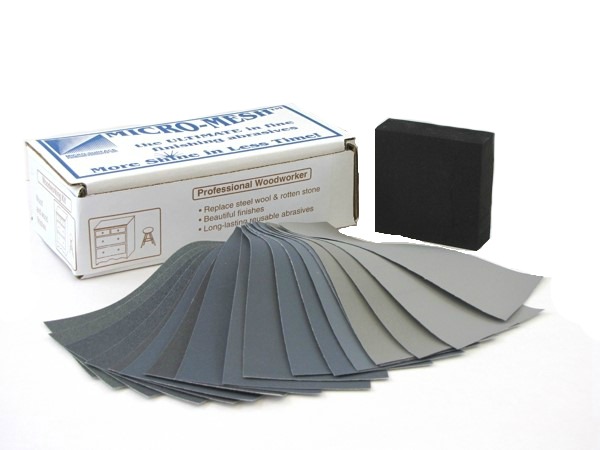
Micro-Mesh Acrylic Headlight Lens Restore Kit | Restore Clarity by Hand

Drill Polishing Kits

Abrasive Hand Tools

Abrasive Hand Tools

Drill Polishing Kits
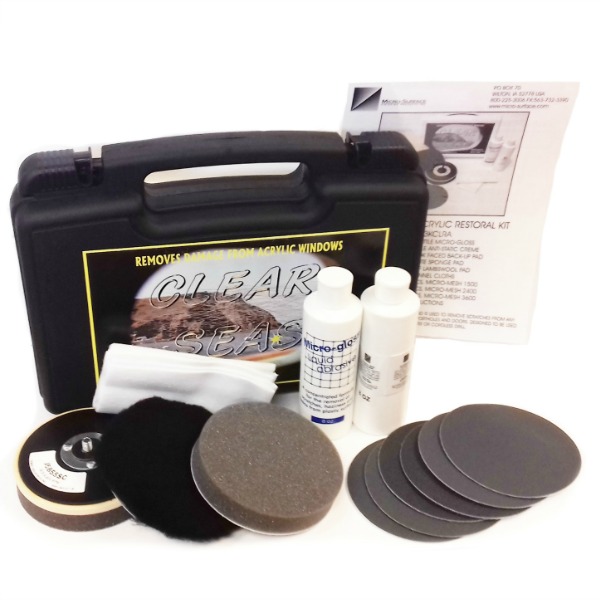
Micro-Mesh Maintenance Kit for Cordless Drill – Restore Acrylic Clarity with Ease
Abrasive Hand Tools

Drill Polishing Kits
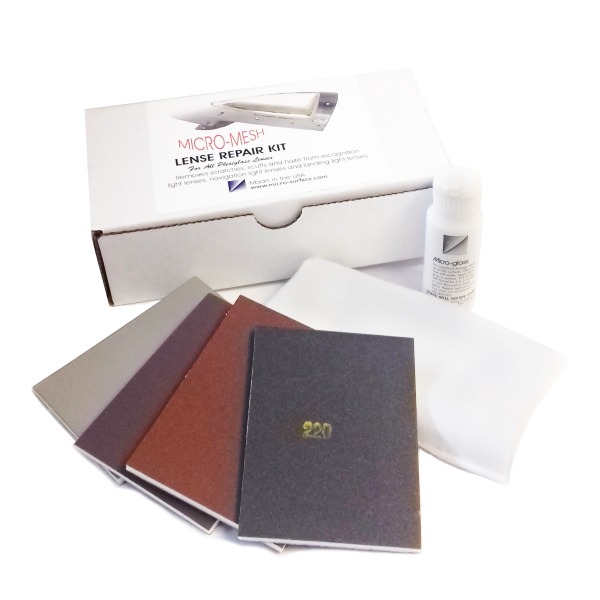
Micro-Mesh Light Damage Removal Kit – Plexiglass & Aircraft Transparencies

Drill Polishing Kits
Drill Polishing Kits


Abrasive Hand Tools

Drill Polishing Kits

Abrasive Hand Tools
Solid Surface Corian Repair kit – Kitchen and bathroom countertop scratch and burn removal kit
Abrasive Hand Tools


Abrasive Hand Tools
Micro-Mesh Craft kit for polishing Plastic, Acrylic, Porcelain, Fiberglass and much more..

Abrasive Hand Tools
Micro-Mesh Plastic Surface restoration kit – Hobby Kit for plastic / wood / metal


Abrasive Hand Tools
Micro-Mesh kit for Acrylic and Polycarbonate restoral Military and Defence approved KR-70

Abrasive Hand Tools
Micro-Mesh Burn Kit for removal of marks and scratches from Marble and Acrylic
Key Features & Benefits
100% Cotton Flannel
Ultra-soft, non-abrasive and safe for final finishing on delicate surfaces.
No Stitched Edges or Texture
Eliminates the risk of imprinting or surface transfer during wiping or buffing.
Versatile Across Materials
Suitable for plastics, metals, coatings and precision-finished components.
Ideal for Finishing Liquids & Compounds
Designed for controlled application and removal of polishing products without scratching.
Reusable & Washable
Can be cleaned, rinsed, dried and reused repeatedly when kept free of contamination.
Technical Information
| Feature | Description |
|---|---|
| Material | 100% cotton flannel |
| Size | 12″ × 12″ (approx. 305 × 305 mm) |
| Edge | Non-stitched |
| Reusable | Yes – washable and reusable |
| Recommended use | Final cleaning, buffing & compound application |
| Sold | Individually (1 cloth per unit) |
Applications
Commonly used in the final stage of polishing and handling for:
-
Acrylic & polycarbonate transparencies
-
Aircraft windows & canopies
-
Automotive and marine finishing
-
Precision engineering components
-
Jewellery & precious metals
-
Musical instruments
-
Restoration and detailing work
Also ideal for handling finished parts, helping prevent accidental scratches from skin contact or hard surfaces.
Recommended Products to Use With
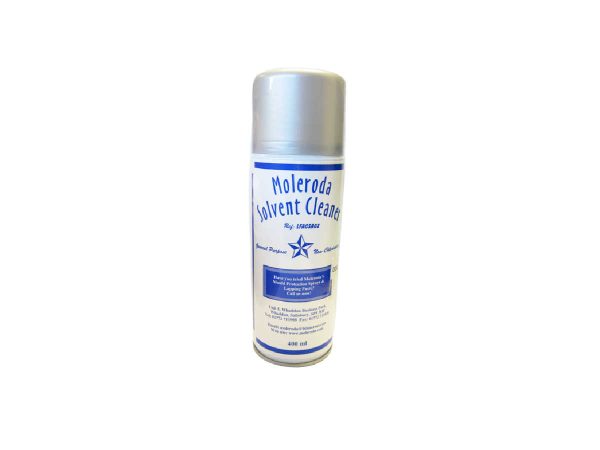
Optimised for use with finishing and cleaning products such as:
Also suitable for other fine liquid polishes and non-abrasive cleaners.

Specialist Sprays, Protection & Cleaners


Consumables
Anti-Static cream for plastic, acrylic and polycabonate prevents collection of dirt and dust.


Industry Use Cases
For Engineers
Essential when surface finish is critical. Ideal for cleaning, final wipe-down and safely handling precision-finished components.
For Jewellers
Perfect for polishing and handling precious metals, which scratch easily even after finishing.
For Optical & Plastic Fabrication
A trusted cloth for cleaning transparencies without introducing haze or fine scratches.
Care & Best Practice
-
Keep cloths clean and free from contamination
-
Store in a sealed bag when not in use
-
Wash separately to avoid abrasive debris transfer
-
Discard any cloth that becomes contaminated with metal or abrasive particles
Why can’t I use paper towels or synthetic wipes?
Paper and synthetic materials can scratch surfaces and grind trapped debris into the finish, especially on plastics and coated materials.
Can this cloth be washed and reused?
Yes. Rinse thoroughly, wash if needed, allow to dry completely, and reuse—provided it remains contamination-free.
Is it suitable for plastics and metals?
Yes. The cloth is safe for both, including delicate plastics and high-polish metals.
Does it leave lint behind?
No. The cotton flannel is designed to minimise linting during use.
How many should I keep on hand?
Professionals typically keep multiple cloths available to avoid cross-contamination between stages or compounds.