
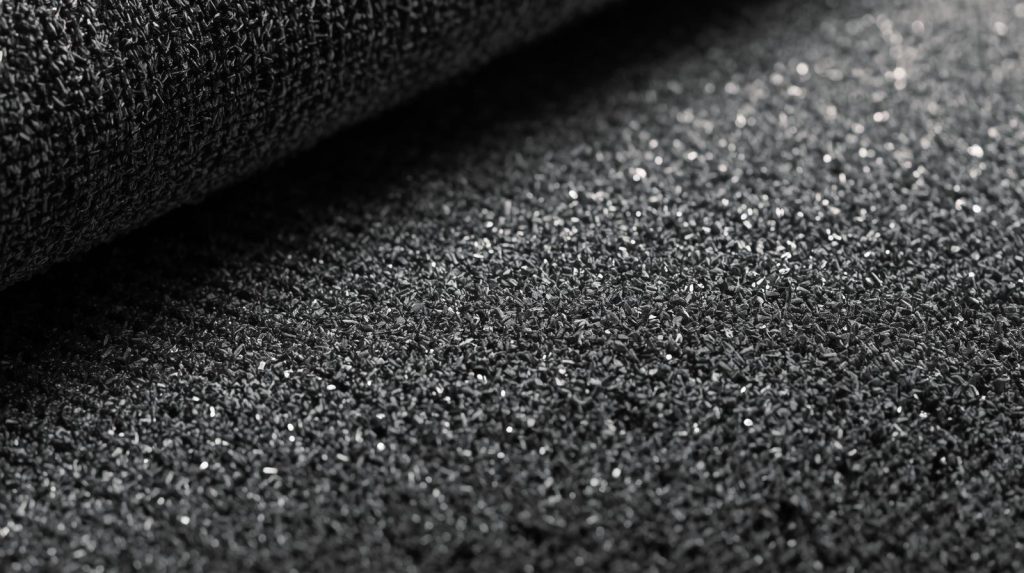
Micro-Mesh abrasive refers to a family of precision cushioned finishing materials engineered for controlled surface refinement, blending, polishing and scratch progression across plastics, metals, wood, composites and coatings.
Unlike conventional abrasives that cut aggressively and often leave deep, random scratch valleys, Micro-Mesh uses a resilient backing and structured grit progression to produce uniform, repeatable results with minimal heat, pressure variation or surface stress.
Professionals and specialist finishers rely on Micro-Mesh for tasks where surface quality matters more than aggressive removal — from aerospace transparencies and acrylic optical repair to precision engineering and fine woodworking.
At the heart of Micro-Mesh performance is its cushioned abrasive construction:
-
Precisely graded abrasive crystals bonded to a flexible cloth backing
-
A resilient adhesive layer that absorbs pressure variance
-
Even abrasive distribution for consistent contact across the workpiece
This construction allows the abrasive surface to maintain contact across curves and contours while refining rather than gouging. Instead of cutting deeply and unevenly like standard coated sandpaper, Micro-Mesh gently refines the surface, producing shallow, uniform scratch patterns that are easy to blend and polish.
Take a deeper dive into “The Wonder” abrasive and find out just why it’s a go-to abrasive for professionals and hobbyists alike:
🔗Why Micro-Mesh is Known as the “Wonder Abrasive” in Precision Finishing
Micro-Mesh grades don’t just represent discrete grit sizes — they form a structured progression that refines the surface in logical, predictable steps.
Typical sequences run from coarser grades for initial refinement to ultra-fine grades for high-clarity finishing:
-
Reduce scratch depth predictably
-
Improve clarity or surface smoothness
-
Transition efficiently from coarse to ultra-fine
This progression allows surface condition to be improved sequentially without introducing deep scratch valleys that require corrective stages.
For detailed grit equivalence and step guidance:
🔗Micro-Mesh Conversion Chart & Grit Guide
Micro-Mesh is often compared with traditional abrasive materials like wet & dry paper, aluminium oxide sheets or silicon carbide abrasives. While these are effective for stock removal and rough shaping, they differ fundamentally in cutting behavior, scratch depth and surface control.
The difference between Micro-Mesh and conventional abrasives lies in abrasive structure, wear pattern, and surface control. The table below outlines key functional distinctions relevant to finishing professionals.
| Feature | Micro-Mesh | Wet & Dry | Aluminium Oxide |
|---|---|---|---|
| Scratch Depth | Shallow & uniform | Deep & inconsistent | Variable |
| Conformity | Excellent | Limited | Moderate |
| Heat Build-Up | Lower | Higher | Moderate |
| Wear | Even | Uneven | Uneven |
| Best Use | Precision finishing | Stock removal | General sanding |
For precision surface refinement and controlled finishing sequences, Micro-Mesh offers advantages that make it the preferred choice in demanding workflows.
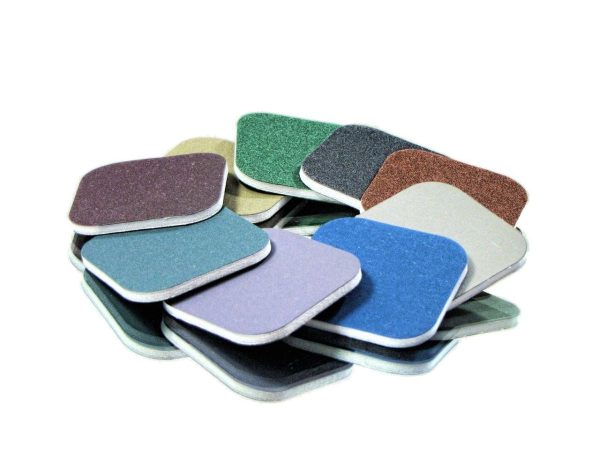
Micro-Mesh abrasive technology is available in multiple formats to suit hand finishing, machine polishing, and precision detail work:
-
🔗Sheets – for controlled hand sanding and progressive refinement
-
🔗Rolls – for workshop and production environments
-
🔗Discs – for rotary and orbital machine applications
-
🔗Belts – for precision metal finishing and knife making
-
🔗Flexifiles | 🔗Pads | 🔗Swabs – for contoured surfaces and detailed work
- 🔗Kits – Purpose built finishing kits designed to tackle specific tasks and surfaces by hand or drill
For format-specific selection guidance, explore the full Micro-Mesh product range below.
Micro-Mesh is used in industries and applications where surface integrity and finish quality are critical:
-
Automotive headlight restoration
-
Acrylic and polycarbonate scratch removal
-
Precision metal finishing and deburring
-
Wood and lacquered surface refinement
-
Solid surface and composite restoration
-
Musical instrument finishing and restoration
Many applications benefit from structured grit progression and controlled surface engineering.
Learn more in related guides:
How to Remove Scratches & Polish Acrylic with Micro-Mesh
This blog explores how to remove scratches from arcylic using micromesh. It details the properties [...]

Smoothing & Finishing Wood with Micro-Mesh
Do you have a wooden sculpture that needs finessing? Do you have a kitchen surface [...]

How Violin Makers Use Micro-Mesh
How to polish violins and repair and restore using Micromesh abrasives. Approved for use on [...]
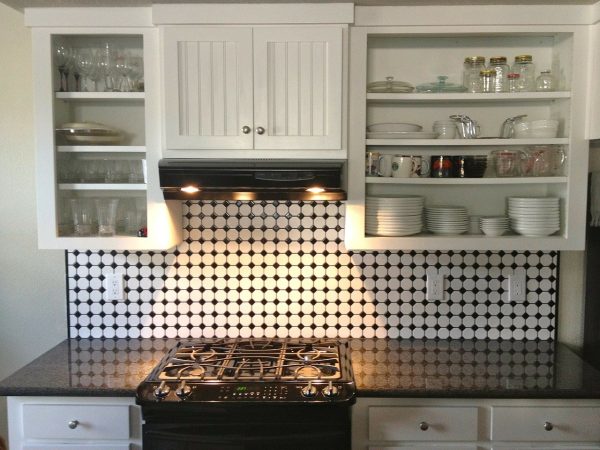
Polishing & Finishing Solid Surface Worktops with Micro-Mesh
Moleroda stocks a range of cushioned finishing abrasives, available in formats useful for both industrial [...]
A successful finishing sequence with Micro-Mesh typically follows this pattern:
-
Assess surface condition — identify starting point grit
-
Select appropriate progression — coarse to fine grades
-
Choose correct product format — based on surface shape
-
Progress through grades — refining scratch patterns
-
Finish with ultra-fine grades — achieve clarity and smoothness
This systematic approach helps achieve consistent results and eliminates guesswork.
Moleroda are proud to be the #1 trusted European distributer of genuine Micro-Mesh products
🔗Visit our Micro-Mesh Brand page
Frequently Asked Questions (FAQS)
Plastics, metals, wood, coatings, composites — anywhere precision finishing is required.
Micro-Mesh refines surfaces with a cushioned structure and controlled grit progression rather than aggressive cutting.
Yes. A structured sequence ensures consistent refinement and minimizes corrective stages.
Sheets, rolls, discs, belts, pads or flexifiles depending on surface shape and workflow.